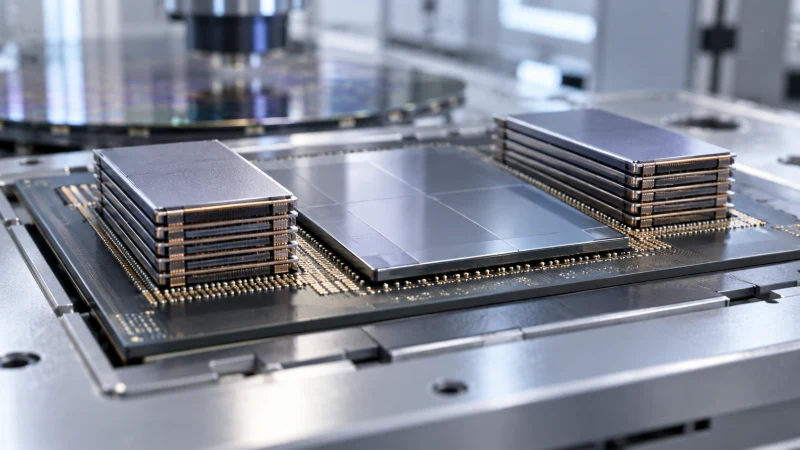
Samsung Electronics has reportedly already committed most of its 2027 memory output to long-term agreements, with the allocated share reaching 75–80% of supply. The coverage includes high-bandwidth memory, or HBM1. human body modelESD test model that simulates a person discharging static electricity into a component.2. High Bandwidth MemoryHBM is a stacked DRAM architecture designed to provide very high memory bandwidth., which remains a key component for data-center accelerators and other AIartificial intelligence-oriented systems.
The agreements are said to span major customers including Nvidia, Google and Microsoft, with those contracts largely finalized. The commitment level suggests that a substantial portion of Samsung’s next-year memory production is being reserved well in advance rather than sold on a spot basis.
HBM1. human body modelESD test model that simulates a person discharging static electricity into a component.2. High Bandwidth MemoryHBM is a stacked DRAM architecture designed to provide very high memory bandwidth. has become one of the most closely watched memory segments because it combines high bandwidth with stacked-chip integration. Reserving such a large share of supply through long-term contracts can help stabilize planning for both supplier and customer, especially in a market where capacity and allocation remain critical issues.
Samsung has not confirmed the allocation or named the buyers. Further technical details on the contract structure, product mix beyond HBM1. human body modelESD test model that simulates a person discharging static electricity into a component.2. High Bandwidth MemoryHBM is a stacked DRAM architecture designed to provide very high memory bandwidth., or delivery schedule were not provided.